Children Book Canva Mockup: Your Self-Publishing Visual Toolkit
For your self publishing journey, these mockups are a terrific tool. Either if you are a self publishing author that is more focused on low content books, or you are a high content author, these mockups will make your life easier. Simply drag and drop your book cover, and you're ready to advertise your book, either directly on Amazon A+ content page or in social media, like Instagram, Tiktok, Facebook, Pinterest and more.
What Makes These Mockups a Professional Asset
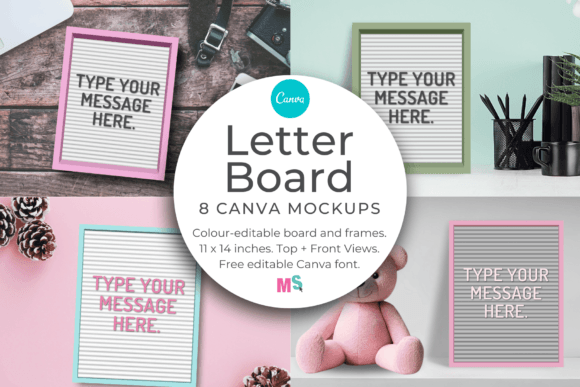
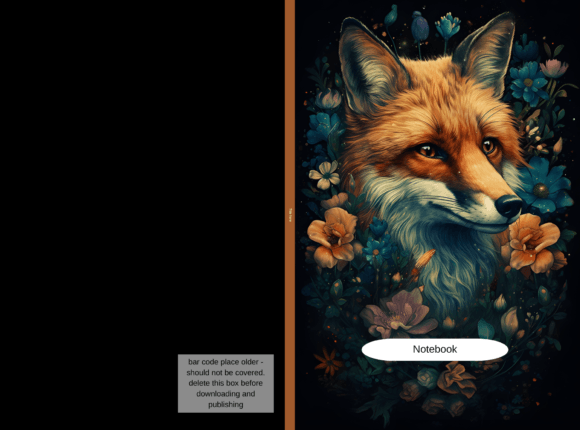
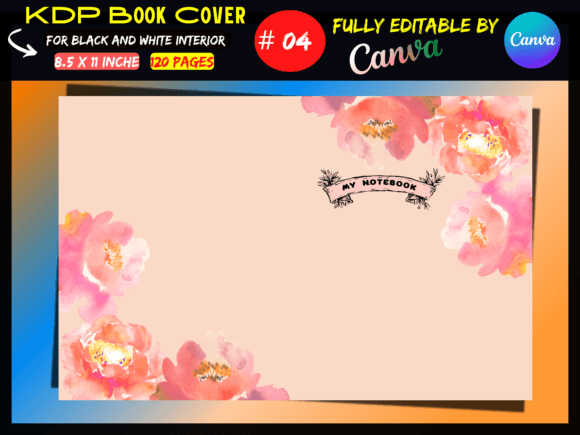
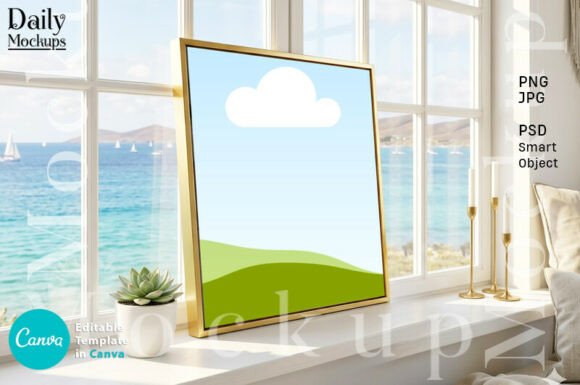
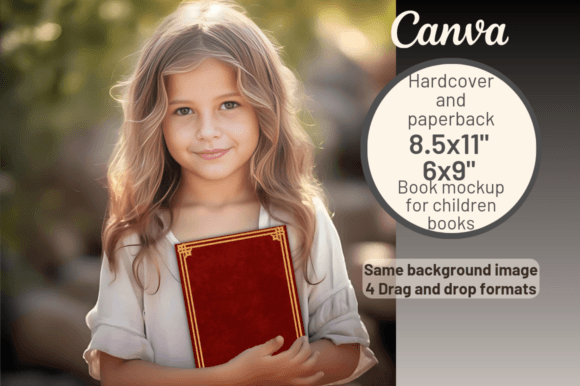
With realistic images and shadows, our custom frames are providing a professional look to any type of book: notebook, sketchbook, diary, children's book, activity book, etc. The visual character of a Children Book Canva Mockup is one of polished authenticity. It’s not just a flat image of a cover; it’s a staged scene that tells a story about the product itself. The shadows are soft and directional, the textures feel tangible—like the matte finish of a paperback or the glossy sheen on a hardcover—and the settings are neutral enough to let your artwork be the hero. This style moves your project from looking like a concept to looking like a published, market-ready item.
Integrating Mockups into Your Brand and Marketing
The true value of a Children Book Canva Mockup lies in its versatility across your entire publishing ecosystem. This is where modern typography and visual hierarchy meet practical application. For your Amazon listing, using a mockup within the A+ Content section can significantly increase conversion. Instead of just a cover image, you can show the book in a reader’s hands or on a styled desk, which helps potential buyers visualize ownership. This is a core component of building a professional brand identity that communicates quality and care.
On social media, the applications are endless. A single Children Book Canva Mockup template can be adapted for multiple formats. The square 4092 x 4092px layout is perfect for an Instagram feed post, but you can easily export a vertical portion for a Story or a Reel thumbnail. For a TikTok video, you might animate the mockup appearing, or for a Pinterest pin, you can combine the mockup with your book’s title using a complementary font pairing—perhaps a bold display font for the title and a clean sans serif font for the subtitle. This consistency in visual assets, from the mockup style to the typography, reinforces recognition and professionalism.
Practical Guidance for Choosing and Using Your Mockups
When you select a set of mockups, you’re not just buying images; you’re investing in design assets that streamline your workflow. Here’s how to approach it effectively:
- Evaluate the Template Variety: A good set, like this one with 4 different layouts, offers flexibility. Look for angles and settings that match your book’s genre. A children’s book might shine in a mockup with playful elements, while a journal or notebook could look best in a minimalist, studio setting.
- Test Your Cover Integration: The drag-and-drop process in Canva is simple, but take a moment to ensure your cover art fits the mockup’s perspective. Check that the lighting and shadows on your cover align with those on the mockup’s book surface. This attention to detail prevents the final image from looking “pasted on.”
- Consider Readability and Hierarchy: If you’re adding text over the mockup (like a call-to-action or a quote), your choice of typeface matters. A script font or handwritten font can add a personal touch for a children’s book, but ensure it remains legible at smaller sizes on mobile screens. Pair it with a sturdy serif font or sans serif font for body text to maintain visual hierarchy.
- Understand the Licensing: These templates are typically for personal and commercial use to promote your own books. This is crucial for entrepreneurs and small business owners who are building a publishing brand. You can use the final images on your website, in email newsletters, and across paid ads without worry.
From Low-Content to High-Content: A Tool for Every Author
The utility of a Children Book Canva Mockup isn’t limited to one type of creator. For the low-content book author—those creating journals, planners, coloring books, or activity books—these mockups are a game-changer. They transform a simple interior page preview into a compelling product shot that demonstrates the book’s use and quality. For the high-content author of novels or picture books, the mockup serves as a key piece of packaging design, presenting the book as a desirable physical object.
This approach directly influences brand perception. Consistently using high-quality, realistic mockups across your social media graphics, website, and sales platforms builds a perception of professionalism and investment in your work. It’s a subtle but powerful signal to your audience that you take your craft seriously, which in turn fosters trust and engagement. In the crowded self-publishing market, these visual assets become a cornerstone of your marketing strategy, helping you stand out not just with your story, but with its presentation.