Creative Story Templates: A Designer's Toolkit
Every creative project has a narrative, whether it's a brand's origin story, a novel's chapter, or a social media campaign. The challenge is translating that story into a visual medium that captivates and communicates effectively. This is where a Collection of Creative Story Templates becomes an invaluable asset. It's not merely a set of pre-made designs; it's a curated library of visual frameworks, each with its own personality, designed to give your projects a professional and cohesive foundation. Think of it as a starting point that saves you hours of initial setup, allowing you to focus on the unique details that make your work stand out.
Understanding the Visual Character
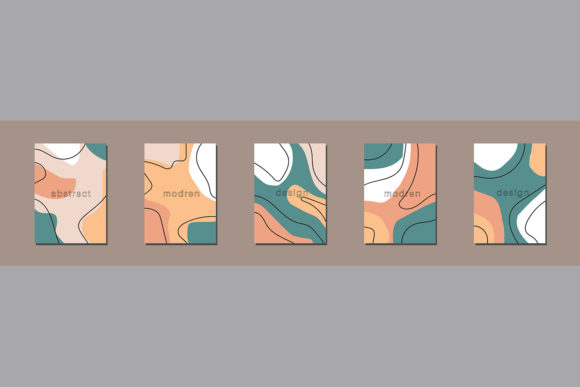
The strength of a good template collection lies in its versatility and thoughtful design. This particular collection is built on a foundation of 100% vector graphics in EPS 10 format. For designers, this is a critical feature. Vector artwork means every line, shape, and color block is infinitely scalable without losing quality. You can resize an element from a business card to a billboard, and it will remain crisp and clean. The files are fully editable in Adobe Illustrator, giving you granular control over every object and color. This level of editability transforms the templates from static images into dynamic design assets. You're not locked into the original color palette or layout; you can deconstruct, recombine, and personalize each template to fit your specific brand identity or project aesthetic.
The style range within the collection likely spans various visual moods—from clean and modern layouts with ample white space, to more dynamic compositions with bold typography and layered elements. You might find templates suited for elegant serif font pairings, others that leverage the energy of a sans serif font, and some that incorporate the organic feel of a script or handwritten font for a personal touch. The overall appeal is in this practical diversity. It's a toolkit for modern typography and layout, providing the building blocks for effective visual storytelling across numerous mediums.
Practical Applications Across Industries
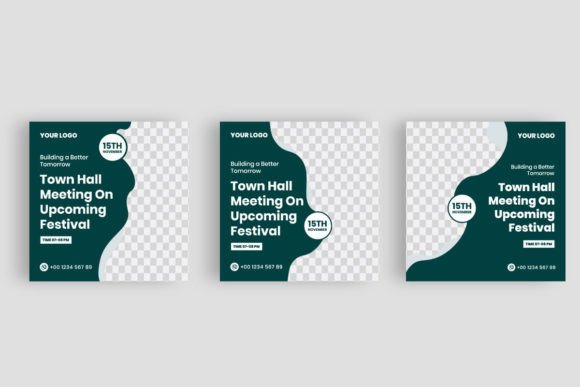
The true value of these templates is realized in their application. For the entrepreneur or small business owner, they offer a direct path to professional-looking marketing materials. Imagine using a template to quickly mock up a series of social media graphics for a product launch, ensuring visual consistency across all platforms. A blogger or content creator can use them to design compelling featured images for articles or create a cohesive look for a digital magazine, enhancing reader engagement and brand recognition.
In the realm of publishing and editorial design, these templates can streamline the creation of book covers, chapter title pages, or promotional flyers. The ability to edit typography and layout means you can adapt a single template to suit different genres, from a sleek thriller to a heartfelt memoir. For packaging design, the templates can serve as initial concepts for product labels, box layouts, or hang tags, helping to establish a shelf-ready presence. Marketers will find them useful for crafting email headers, webinar slide decks, and digital ads that need to be produced quickly without sacrificing a polished, professional look. Even for personal projects—like creating invitations, photo books, or printable art—the collection provides a sophisticated starting point that elevates the final result.
Influence on Brand Perception and Audience Connection
Consistent, thoughtful design is a silent ambassador for your brand. Using a well-designed template as a base helps enforce visual hierarchy, guiding the viewer's eye to the most important information first. This directly impacts readability and ensures your message isn't lost in a cluttered layout. When you consistently apply a chosen style from the collection across your touchpoints—website banners, social media posts, print flyers—you build a recognizable visual identity. This consistency fosters trust and professionalism. Your audience may not consciously notice the specific design elements, but they will perceive the brand as organized, credible, and established.
The choice of template style itself sends a message. A clean, minimalist layout might convey modernity and efficiency, perfect for a tech startup. A template with more organic shapes and warm colors could communicate approachability and creativity, ideal for a handmade goods seller. By selecting and customizing templates that align with your brand's personality, you actively shape how your audience perceives you. This strategic use of design assets is a cornerstone of effective brand strategy.
Making the Most of Your Design Assets
Before diving into editing, take a moment to evaluate the project fit. Scan the collection and shortlist templates whose inherent layout and style mood align with your goal. Don't just pick the prettiest one; consider the content you need to present. Does it have space for your headline and body copy? Does the color scheme complement your existing brand palette? Once you've chosen a template, the real work begins in Adobe Illustrator.
Start by customizing the color palette. Replace the placeholder colors with your brand's exact hex codes. Next, address the font pairing. The templates may come with placeholder text. Swap in your chosen typefaces—a primary display font for headlines and a complementary serif or sans serif font for body text. Pay close attention to readability; ensure text size and contrast are sufficient for the intended medium, whether it's a mobile screen or a printed brochure.
Experiment with the elements. Move shapes, swap out placeholder images for your own photography, and adjust spacing. The goal is to make the template your own, not to use it verbatim. Finally, always review the commercial licensing that comes with your download. Typically, for assets like these, the license allows for use in multiple projects for yourself or a single client, but it's crucial to verify the specifics to ensure your use is compliant, especially for commercial or client work.
By treating this Collection of Creative Story Templates as a flexible starting point rather than a finished product, you unlock its full potential. It becomes a catalyst for your creativity, a tool that handles the heavy lifting of structure and professionalism, freeing you to infuse every project with your unique vision and story.